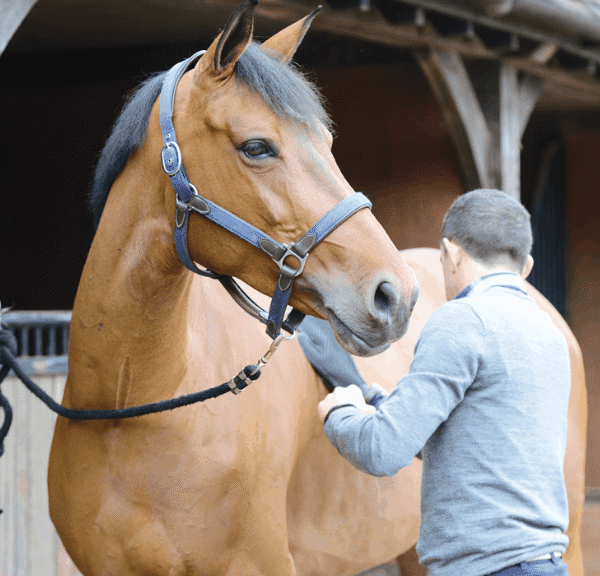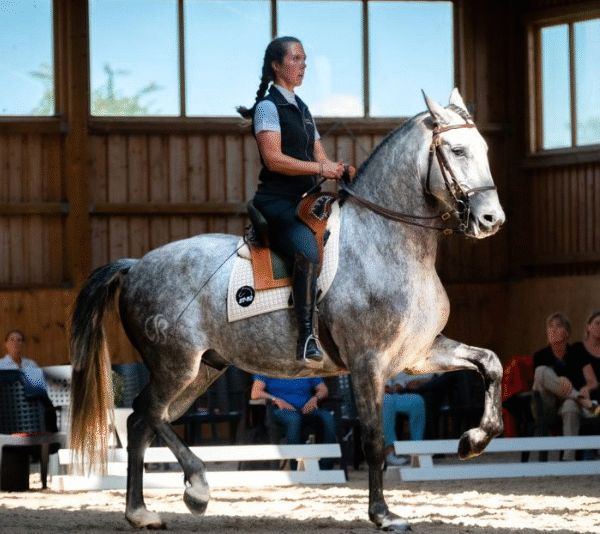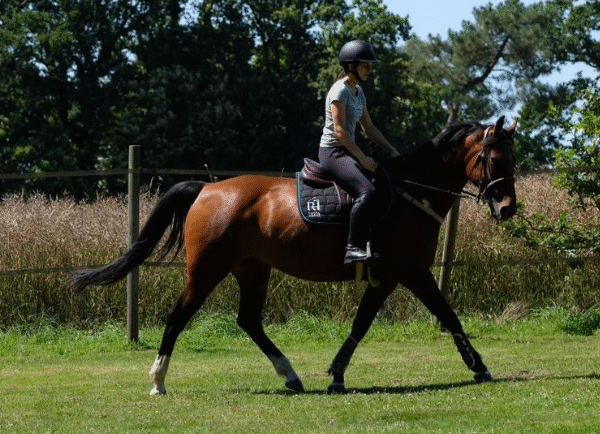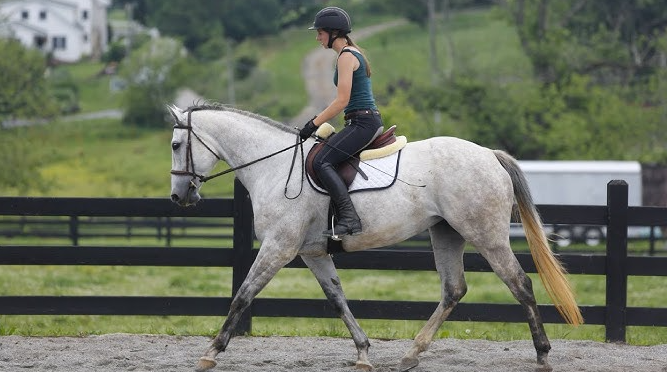
Physiotherapy and massage for horses are essential for promoting overall equine health and performance. These modalities address common musculoskeletal issues and enhance flexibility through specific techniques like trigger point therapy and myofascial release. Regular treatment can significantly improve circulation and expedite recovery from exertion. Understanding how to effectively incorporate these therapies into a horse’s routine is vital for optimal results. What specific challenges can arise when integrating these practices into daily care?
Understanding Equine Anatomy and Common Issues
Understanding equine anatomy is essential for identifying common issues that can affect a horse’s performance and well-being.
Knowledge of equine biomechanics allows caretakers to recognize imbalances, strains, and injuries. Through preventative care, subtle shifts in movement can be addressed before they escalate.
Awareness of anatomical structures fosters a compassionate approach, ensuring that horses remain agile, healthy, and free to perform optimally.
See also: Popular Food and Drinks Served at Races
Techniques Used in Equine Physiotherapy and Massage
Equine physiotherapy and massage employ a variety of specialized techniques designed to enhance the physical health and performance of horses.
Techniques such as trigger point therapy target specific muscle knots, alleviating pain and tension. Myofascial release facilitates the relaxation of fascia, promoting flexibility and improving movement.
Together, these methods foster optimal musculoskeletal function, allowing horses to achieve their fullest potential in both athletic and everyday activities.
Incorporating Therapy Into Your Horse’s Routine
Integrating physiotherapy and massage into a horse’s routine can significantly enhance overall well-being and performance.
Effective therapy scheduling allows for targeted interventions, addressing specific musculoskeletal issues while promoting relaxation.
The routine benefits include improved flexibility, reduced risk of injury, and enhanced recovery times.
Conclusion
Incorporating physiotherapy and massage into a horse’s regimen can significantly enhance overall well-being and performance. Remarkably, studies indicate that regular therapeutic sessions can improve muscle elasticity by up to 30%, facilitating greater agility and responsiveness. This statistic underscores the profound impact of targeted therapies on equine health. By addressing musculoskeletal issues and promoting recovery, owners can ensure their horses are not only fit but also capable of achieving their highest potential in both work and play.